Book Review: Tarot of the Unconscious: Uncovering the Hidden Link Between Psychoanalysis and the Cards
- Author: Aliza Einhorn
- Publisher: Weiser Books
- Publication Date: June 1, 2026 / July 2, 2026 (US) / (UK)
- RRP: US $21.95 / GB £18.99
- ISBN: 978-1-57863-895-6
- Reviewed by: John W. Benson, LPC
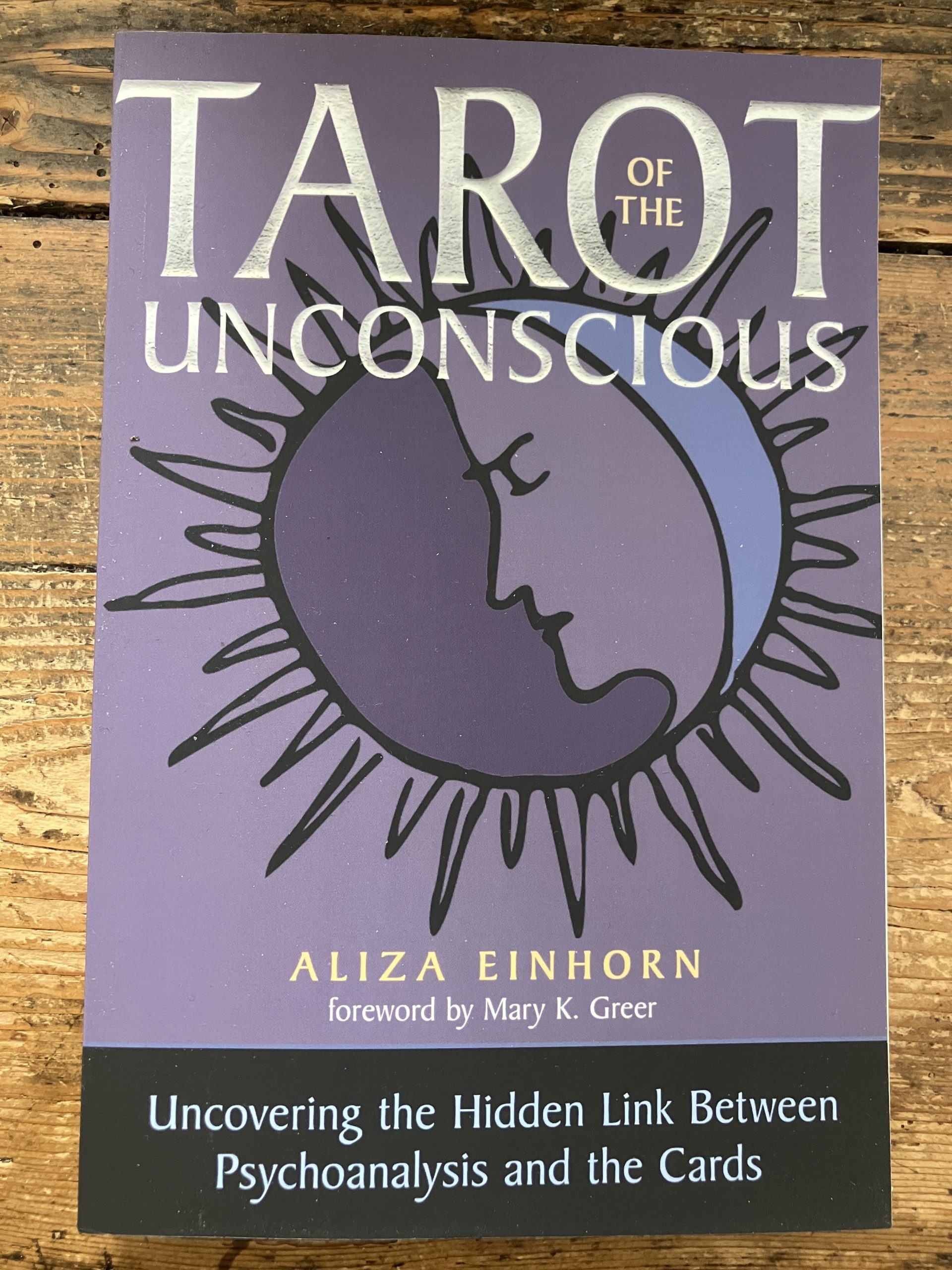
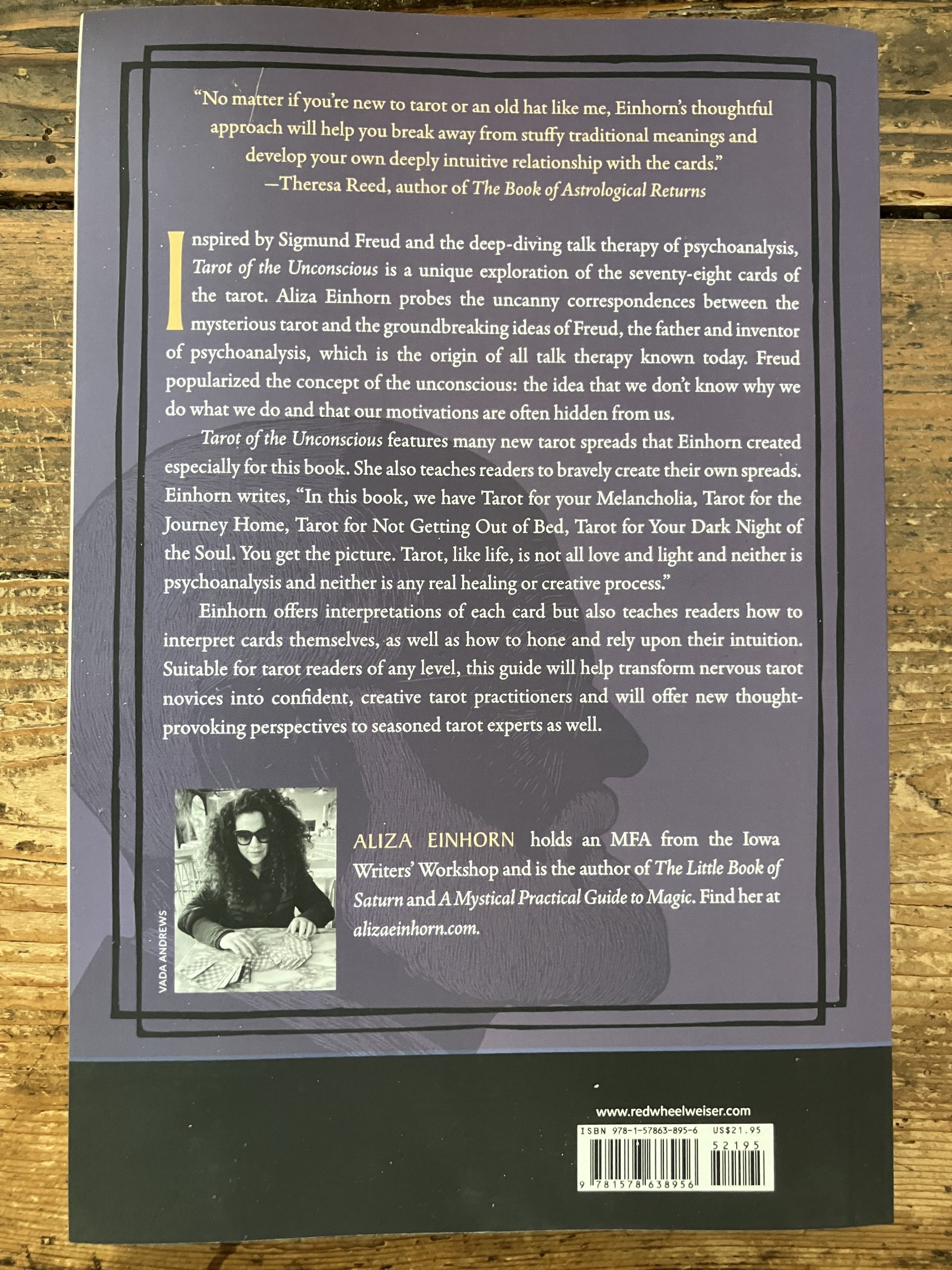
Aliza Einhorn’s Tarot of the Unconscious is a new addition to the genre of books devoted to reading Tarot for yourself. Mary Greer describes this book best in her Forward:
This book is several things at once: A memoir of returning to school as a student of psychoanalysis in the second half of life, a guide to exploring the cards through Freud’s free-association method as a way of knowing yourself, and a companion for therapists and readers alike who wish to bring tarot into the terrain of the psyche.
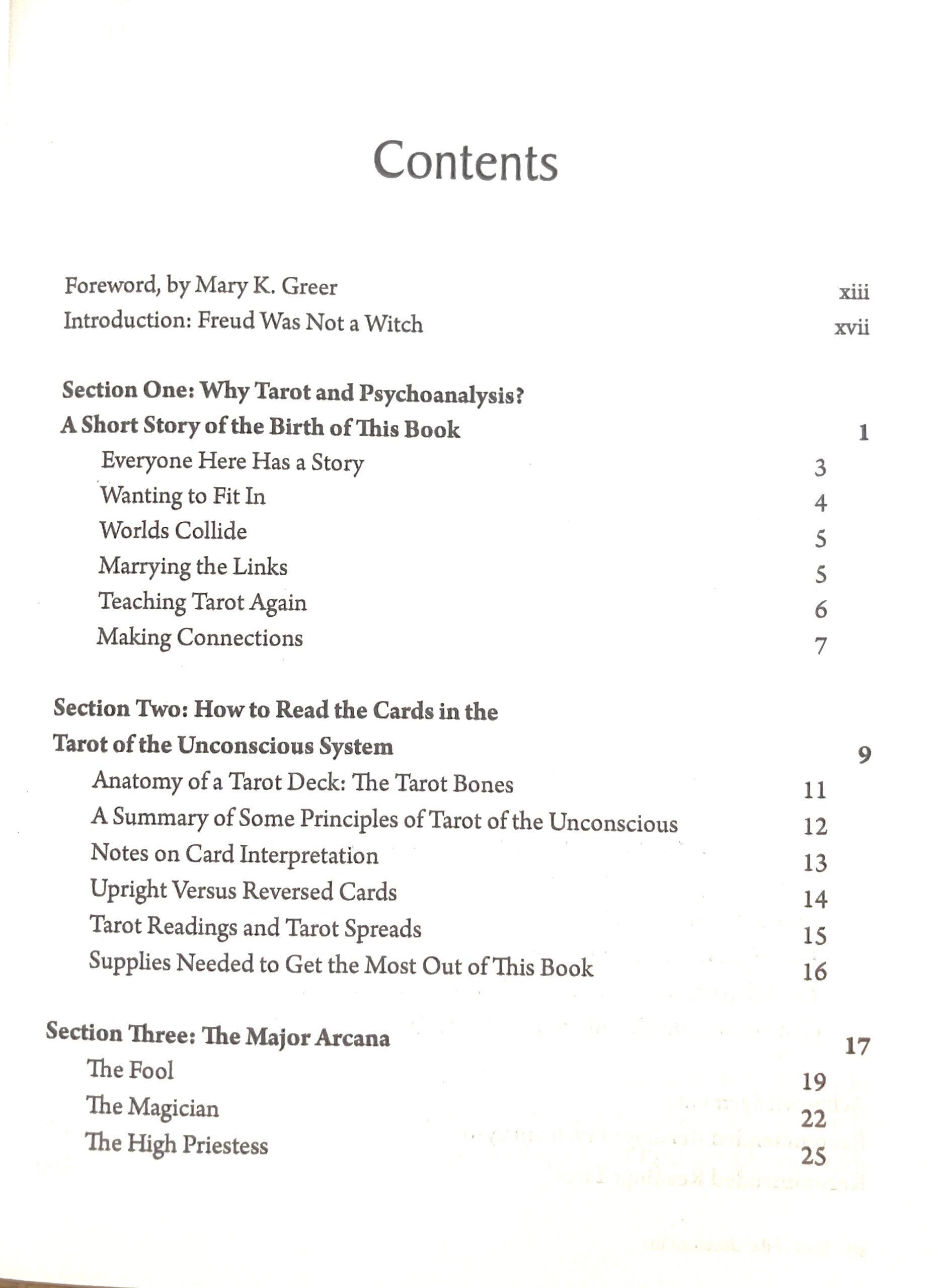
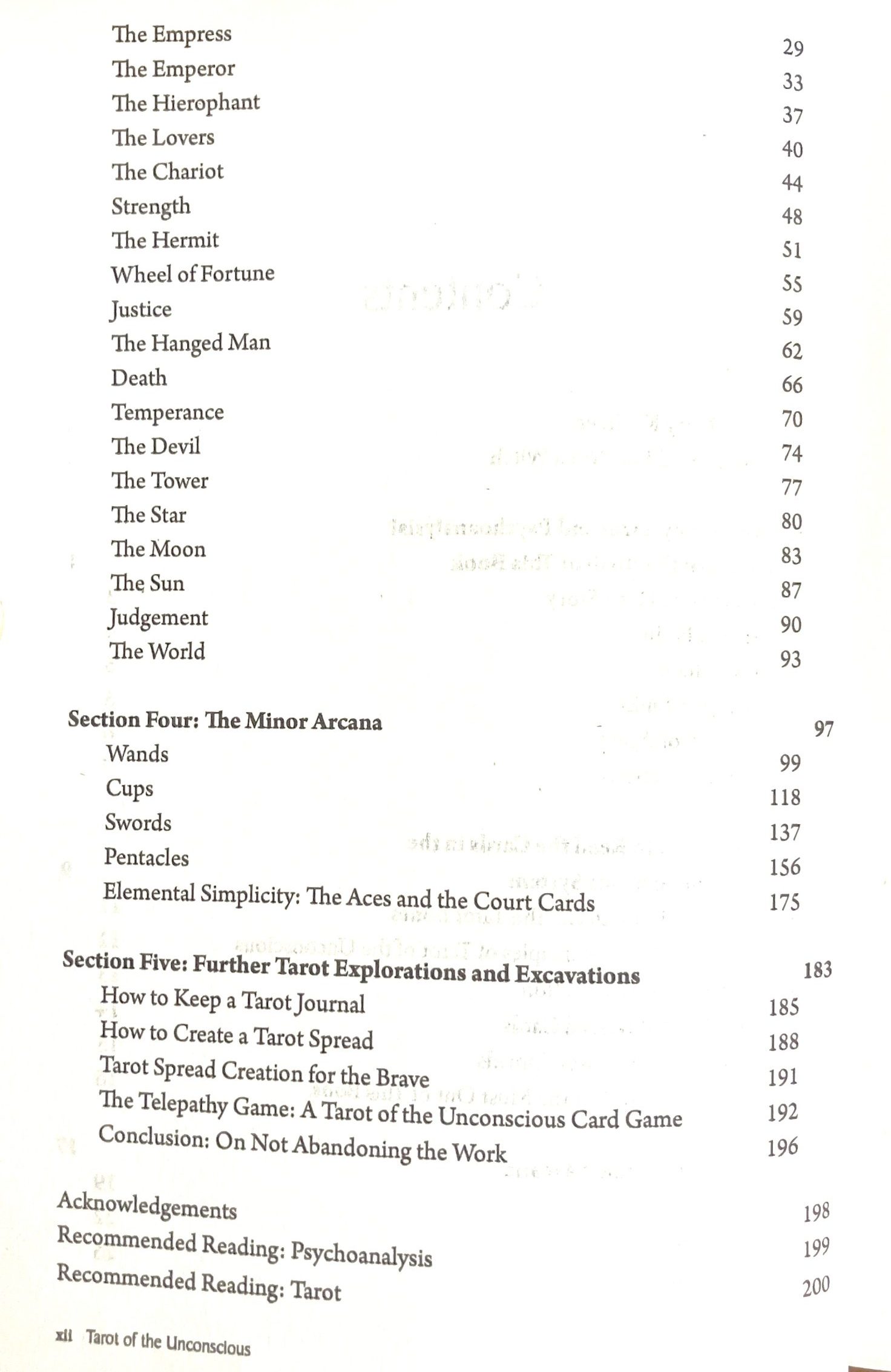
Aliza Einhorn, astrologer, tarot card reader and teacher, Jewish witch, poet, and playwright, holds an MFA from the Iowa Writers’ Workshop. During her current training to become a Freudian analyst, she noticed parallels between what she was learning in school and what she experienced while reading Tarot for herself. Already a published author of two other books, The Little Book of Saturn (Weiser, 2018) and A Mystical Practical Guide to Magic (Llewellyn, 2021), Aliza immediately felt compelled to write about the connection she was making between Tarot and Freud.
My relationship with Tarot happened the other way around. I found Tarot more than a decade into my second career as a Licensed Professional Counselor. So, the correlation Aliza found between Tarot and Psychology, I experienced as the correlation between Psychology and Tarot. Not that learning Tarot with a background in Psychology and human spirituality (my MA is in Pastoral Counseling) is better than learning Psychology with a background in Tarot and other esoteric and occult knowledge, but this distinction can make a difference when you are writing a book on the connection between the two. Authors often lean into their strengths with a point of view informed by the subject matter with which they are most familiar. My point is that this would likely have been a vastly different book if it had been written by an experienced Freudian analyst who discovered Tarot. I raise it because that was the book I was expecting and hoping to read, a look at Tarot from the perspective of a seasoned Freudian analyst. That is not what this book is. It is a book on Tarot by an author steeped in Tarot and the occult, reflecting on how Freudian analysis relates to Tarot from the perspective of someone who strongly believes in using Tarot for self-knowledge and reflection. There is nothing wrong with that perspective. It is a valuable one. But I want you to know what you are getting if you read this book.
With that mentioned, from the above-described perspective, Aliza Einhorn offers her Tarot knowledge, grounded in her years of experience as a reader and teacher, as she reflects on each Tarot card and presents keywords for both upright and reversed positions, as well as unique spreads to better tap into your own energy and guidance. Her experience as a Tarot teacher is put to good use as she invites you to enter into play with the Tarot and form your personal relationship with the cards.
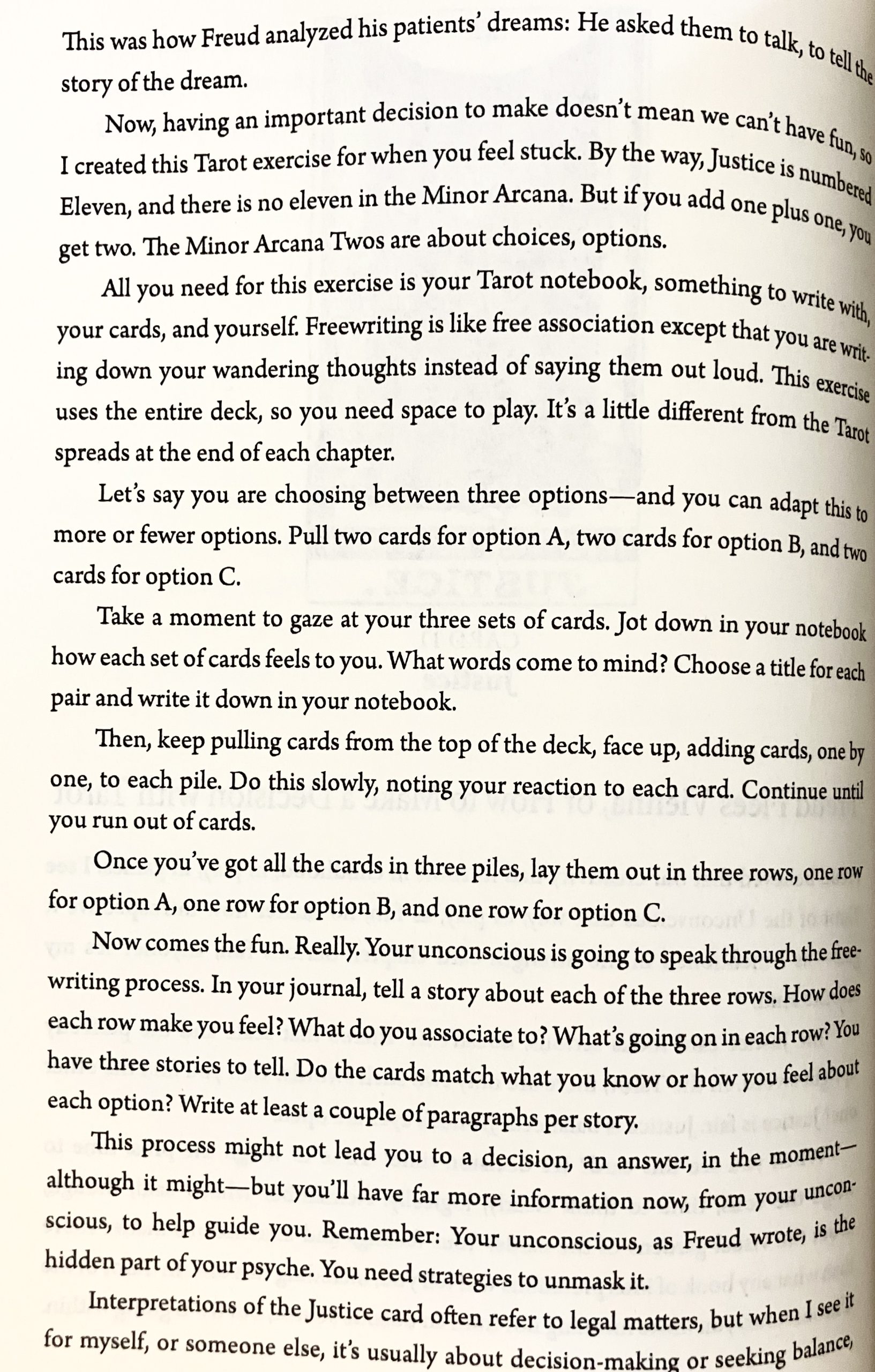
The author also presents an approach to Tarot that she calls Tarot of the Unconscious. As she describes it, “I am borrowing some of Freud’s concepts and applying them to the Tarot, as a way to think about Tarot, and do Tarot, because once I started studying psychoanalysis, I realized that many of Freud’s ideas, particularly about dreams and free association, and the unconscious (all cornerstones of psychoanalysis), fit so well with what we do when we read cards. This truth, however, has been buried.” Aliza goes on to state her purpose for writing this book “…is to make these mysterious convergences explicit, to take them out of the shadows, out of the unconscious, which is what I suggest every time we read the cards.”
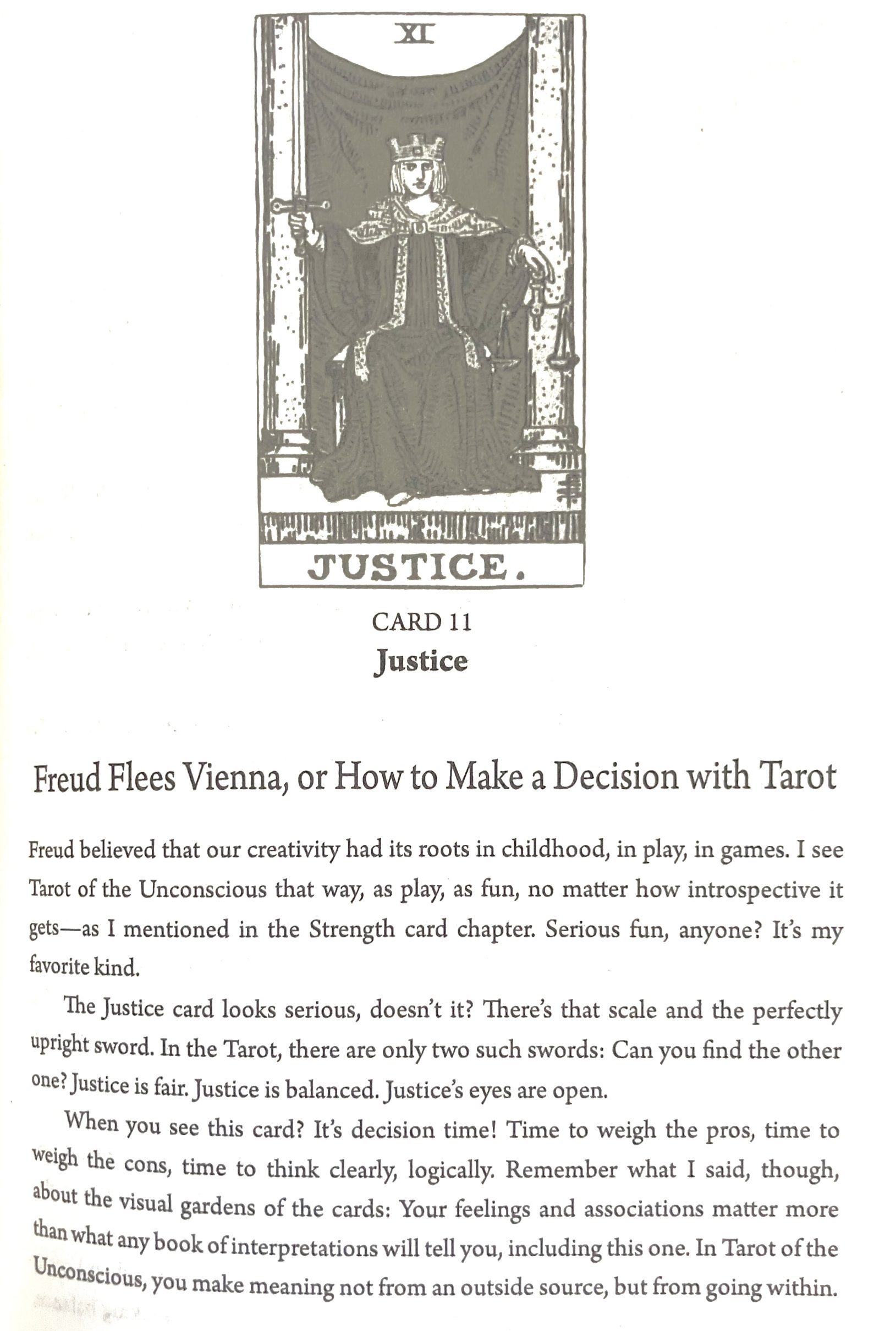
Thinking back to when I first started exploring Tarot, I imagine such words would have given me some comfort, suggesting that reading cards is more an imaginal act than a methodical one. The author describes this as serious playfulness and playful seriousness. As Mary Greer summarizes, this book is “…a reminder that by exploring the unconscious, by listening to the cards as to our dreams, we come closer to the radiant child in the Sun card: Open, joyful, and newly whole.”
This book is more like a permission slip than an instruction manual. Aliza Einhorn invites us all to play with and explore the Tarot and ourselves using Freudian methods she learned during her psychoanalytic studies. Sometimes, permission is all we need to allow ourselves to exhale and enjoy learning something new. If you are looking for a deep dive into Freud’s relevance to Tarot, this is not the book for you. If you are looking for an intermediate or advanced book on Tarot techniques, this is not the book for you. But if you are looking for a knowledgeable and friendly guide who encourages you and supports you as you explore Tarot and yourself more deeply than you have possibly ever done before, then this book is here for you.
Author Bio:
Aliza Einhorn holds an MFA from the Iowa Writers Workshop and is the author of The Little Book of Saturn and A Mystical Practical Guide to Magic. Find her at alizaeinhorn.com
To purchase this book, please visit: https://redwheelweiser.com/book/tarot-of-the-unconscious-9781578638956/ or any good bookshop