Book Review: Tarot by Tempest: Playing with Numbers, Meaning, and Movement
- Author: Laura Tempest Zakroff (https://lauratempestzakroff.com/)
- Publisher: Llewellyn (Tarot by Tempest | Llewellyn Worldwide, Ltd.)
- Publication Date: February 2026
- RRP: USD $18.00 / GBP £16.99
- ISBN: 9780738779461
- Reviewed by: Cadence (IG: @temperanceandtruth)
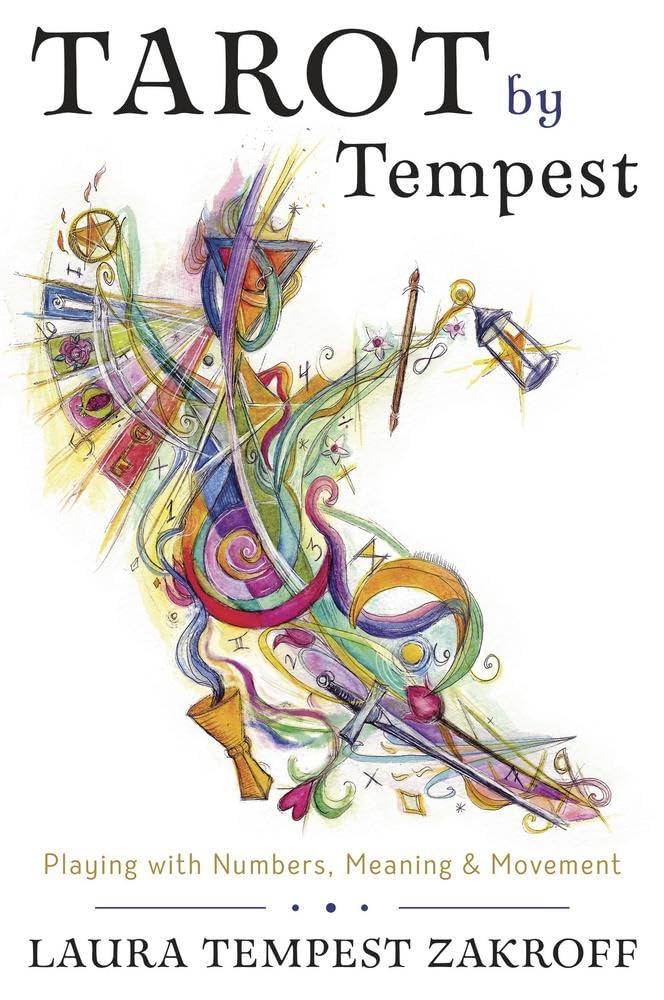
NOTE: The images of the book pages shown below are from an Advanced Reader Copy, sent to TABI by Llewellyn for review; therefore, content and imagery are subject to change prior to publication.
I was excited to review Laura Tempest Zakroff (LTZ)‘s upcoming book, Tarot by Tempest, because so few tarot texts exist that focus on tarot numerology, a vital component of tarot card interpretation. Zakroff is well-known in the tarot community as the artist and author of several books and decks, including Sigil Witchery, Anatomy of a Witch Oracle, and The Liminal Spirits Oracle. Tarot by Tempest is a unique approach, using the author’s own method of examining numbers, shapes, and symbols to reveal a deeper meaning in each card. She notes that, “connecting math, magic, myth, and movement empowers us to see and interpret the tarot more easily, especially across decks and systems.”
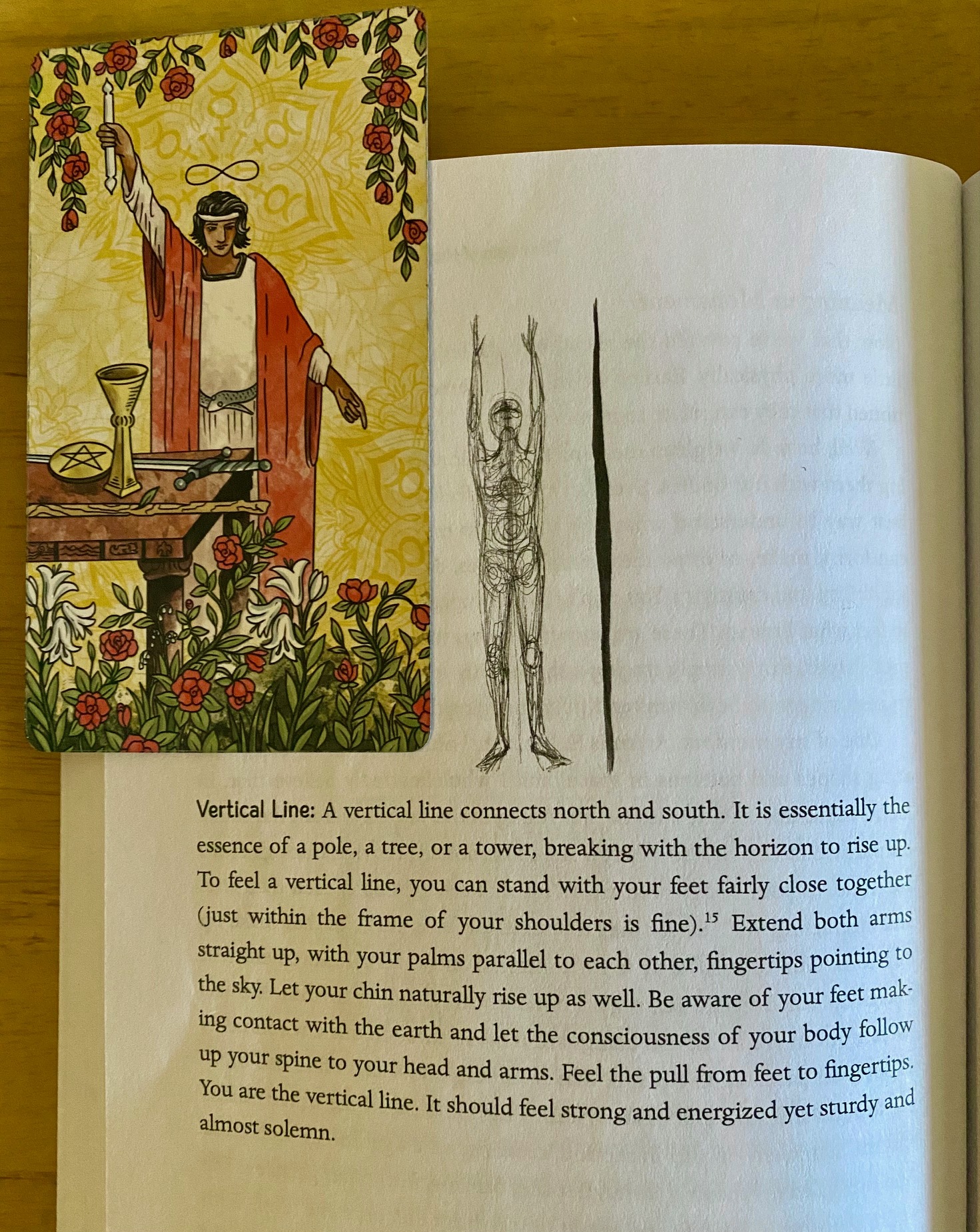
The author’s concept is to look at numbers and math to explore symbolism, patterns, and movement within and between the cards. For instance, a drawing of a figure in a vertical line imitates the figure of the Magician, the number 1, and the letter I: “one is, ‘I exist, I am present, I am ready to learn more’” and, “I is awareness of being, the development of ego, and having both singular and relative focus”… all certainly descriptions of the energy and motivation of the Magician.
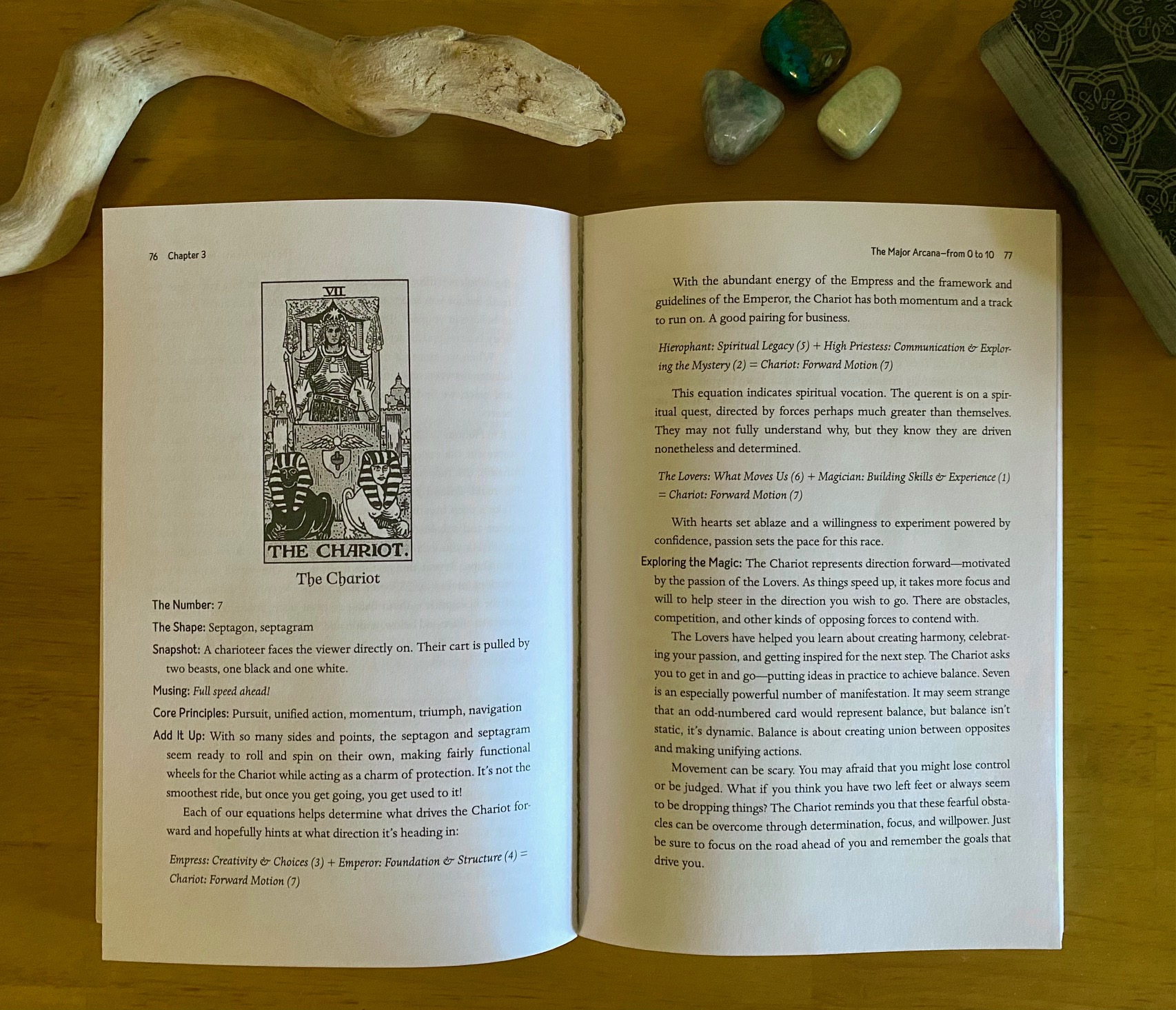
Each Major Arcana entry has a breakdown of the components of each card in sections: The Number, The Shape, Snapshot (a description of the imagery), Musing (a short “poetic exploration” of the card), Core Principles (a set of keywords), Add It Up (potential math processes), Exploring the Magic (how the components come together to provide meaning and guidance), and Put It in Motion (a physical exercise to connect with the card). Let’s look at The Chariot, card number seven in the Major Arcana. The musing is ‘Full speed ahead!’ and the Core Principles are ‘pursuit, unified action, momentum, triumph, and navigation’. We see examples of the way LTZ uses math to explore different stories, patterns, and relationships between the cards. For example:
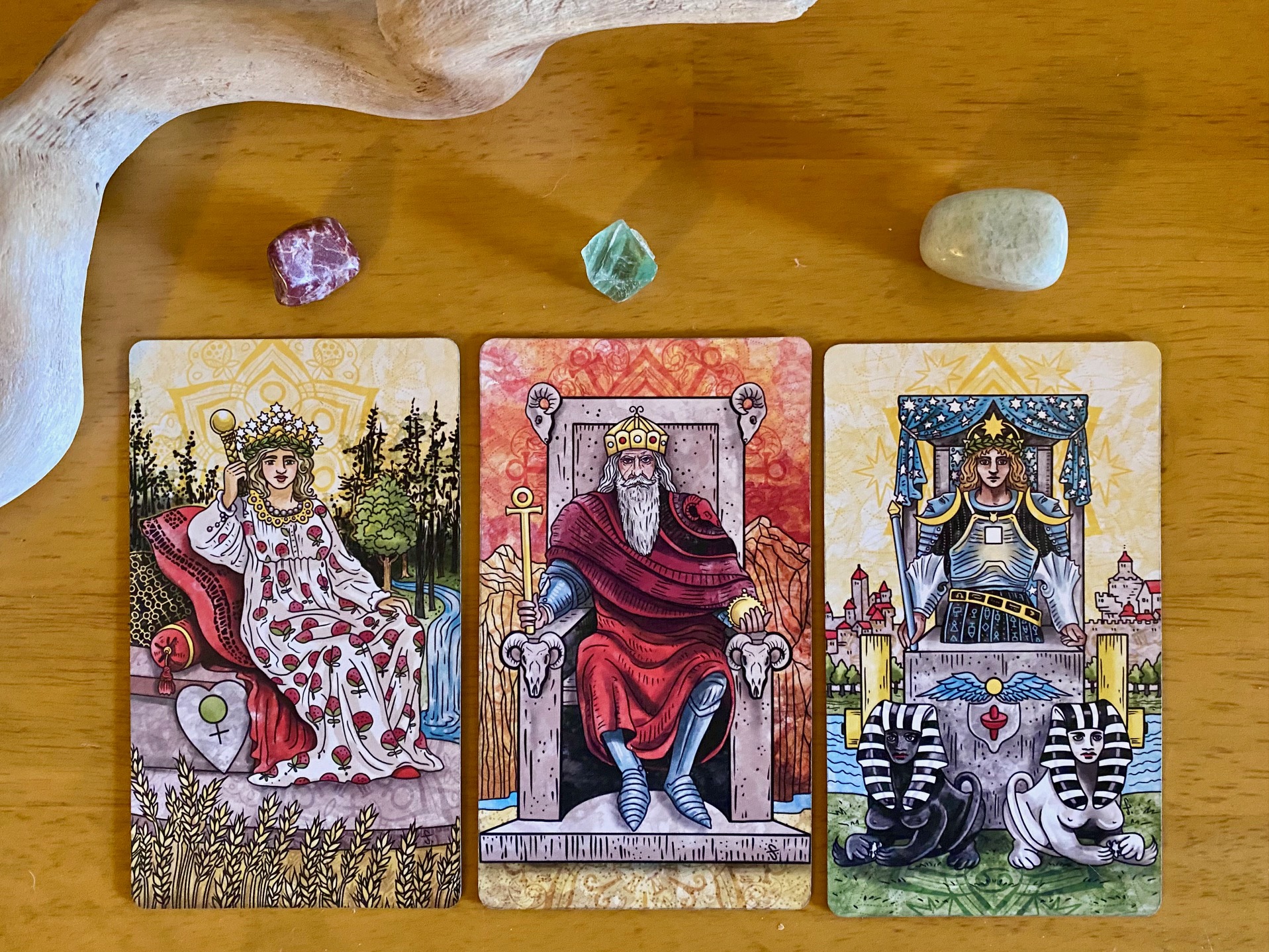
Empress-Creativity and Choices (3) + Emperor-Foundation and Structure (4) = Chariot-Forward Motion (7).
In other words, the energy and abundance of the Empress coupled with the order and construct of the Emperor gives purposeful movement to the Chariot. Another example:
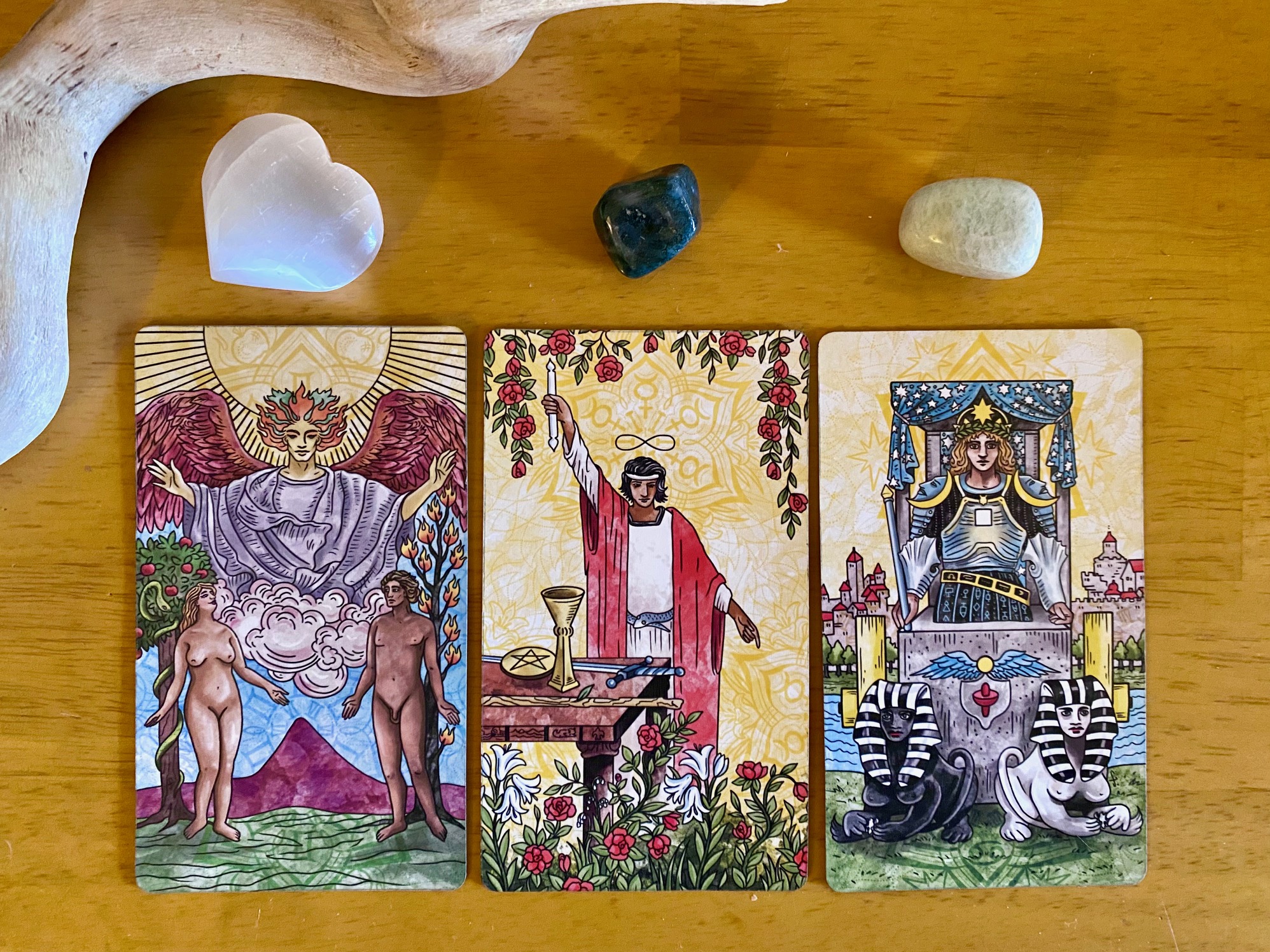
the Magician-Building Competency (1) + the Lovers-What Moves Us (6) = Chariot-Forward Motion (7).
In other words, our commitment to our skills and purpose coupled with passionate motivation leads to dynamic movement. While we are often reminded to look at progressions and patterns in the cards in a reading, for instance: several of a particular number (e.g. three 8s) or a forward or backward sequential pattern in the numbers (e.g. 2,3,4,5), the concept of combining cards mathematically to examine the way we can arrive at the archetypal meaning is an entirely new concept (at least to me).
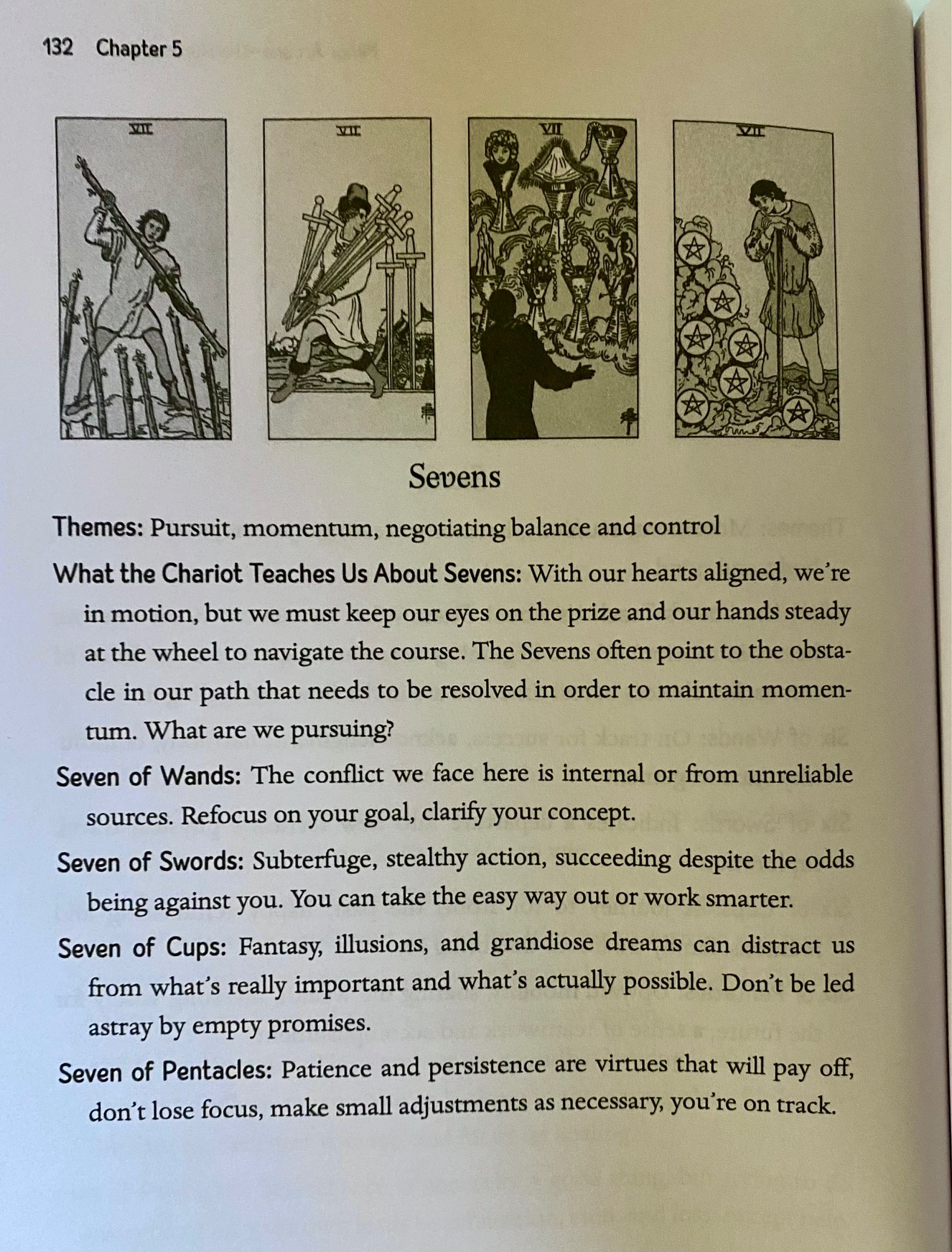
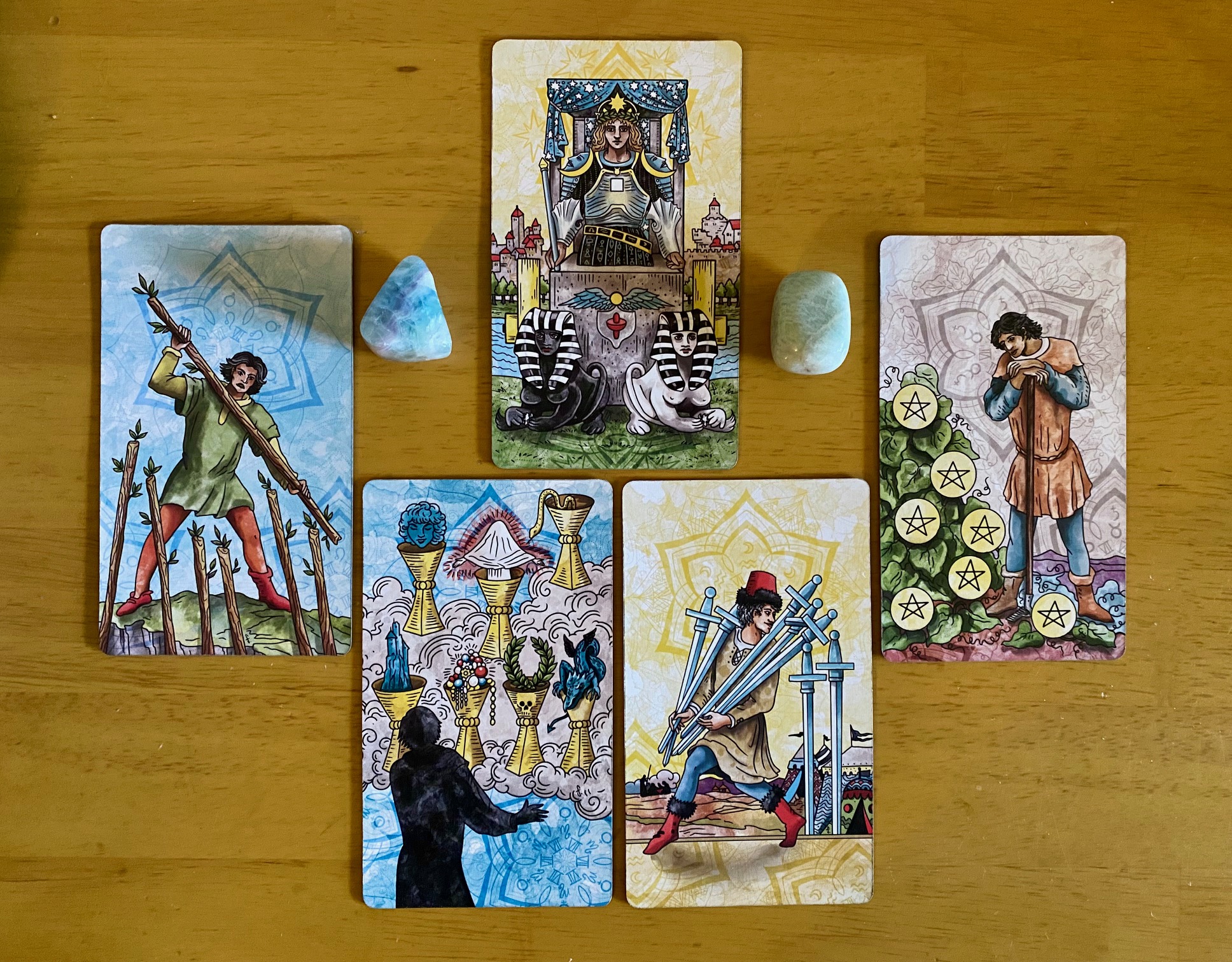
The Minor Arcana section explores the cards in a much more abbreviated way. Returning to the 7, the author shows us how meaning of the Chariot relates to the four 7s in the Minor Arcana: “With our hearts aligned, we’re in motion, but we must keep our eyes on the prize and our hands steady at the wheel to navigate the course”. The Seven of Pentacles is defined as: “Patience and persistence are virtues that will pay off, don’t lose focus, make small adjustments as necessary, you’re on track”. It should be noted that at the beginning of the Minor Arcana section, there is a lengthy discussion about the elemental associations of the suits. The author provides an explanation for her use of Air for the Wands and Fire for the Swords, an unconventional, but not unheard of, association. While this doesn’t align with how a lot of people define the correspondences, it’s not difficult to simply use your own associations. For instance, the author defines Ace of Wands as, “a new idea to explore or engage with” and the Ace of Swords as, “a decisive action that sets things in motion”. We can easily switch up the definitions to align with our own associations.
In addition to being a tarot reader, Zakroff is a dancer and a performer. It is from this lens that she invites us to study the shapes present in the cards to explore movement. In the Put It in Motion section in the Chariot, she suggests forming our hands in a V shape and then pushing our arms into a larger V in the Cardinal directions, suggesting a physical interpretation of the Chariot: “sending your heart out, clearing the path in front of you in all directions”. It’s an invitation to explore movement and a full sensory connection to the cards, to numbers, and to shapes. This is definitely outside the box, and while we may not be inclined to actually use the movements suggested, just reading about them offers a different perspective for viewing or experiencing a card concept…a refreshing, novel way of opening our minds to deeper interpretations.
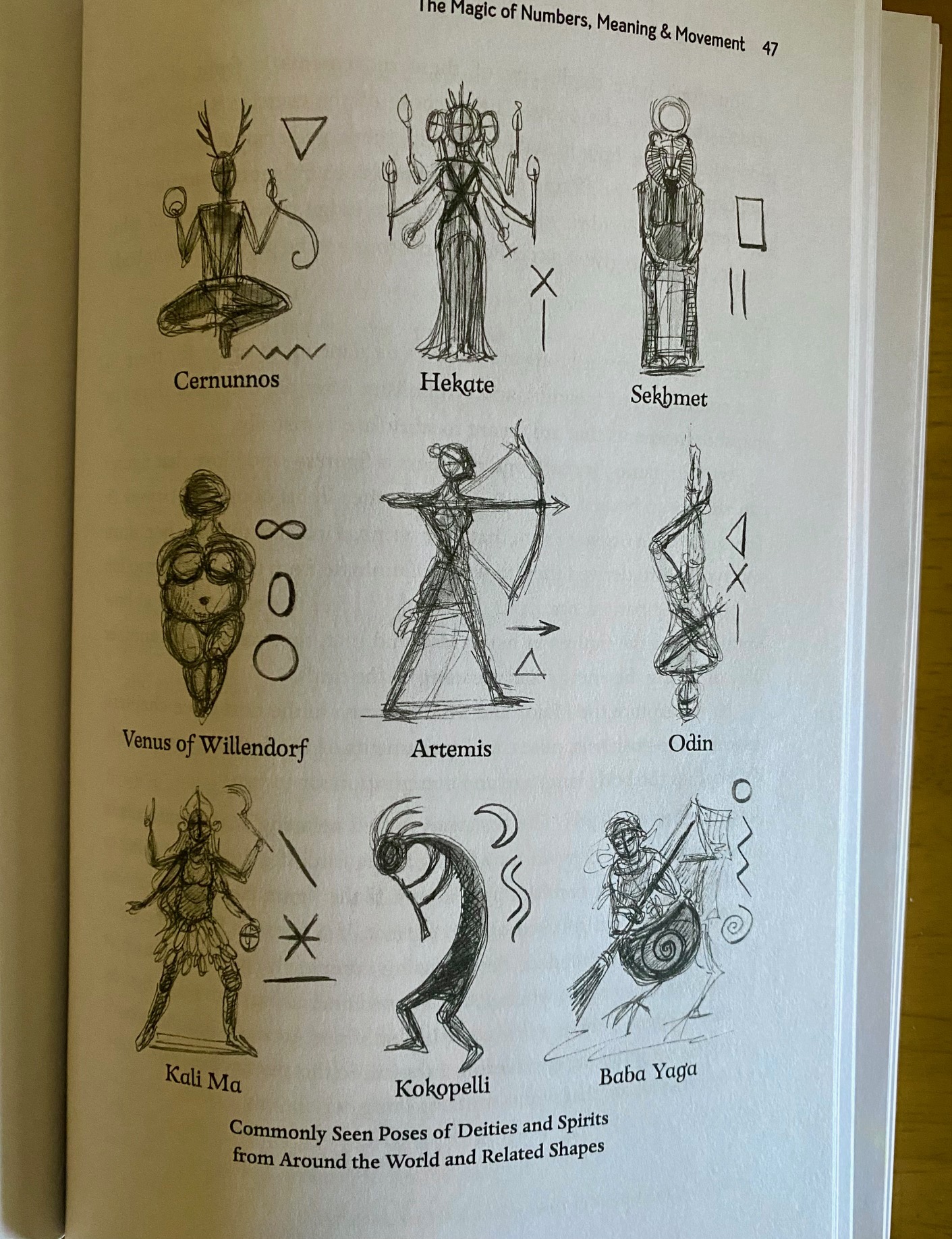
The final four chapters of the book are: Holding All the Cards (practical suggestions such as shuffling techniques and cleansing your deck); Tarot Spreads—Mapping the Meaning (suggestions for how to integrate what we’ve learned about the numbers and shapes in readings); Thinking Outside the Spread—More Tarot Number Ideas; and Tarot Talk! (a practical Q&A section). I think the Tarot Spreads chapter is fantastic, as it provides a way to see how the author uses the concepts of the previous chapters in practice with example readings and spread ideas. The other three chapters seem a little outside the scope of the book, though they contain information that would be welcome to newer readers.
Overall, Tarot by Tempest is a unique approach to reading and experiencing the cards. This is not a book for complete beginners; a basic understanding of the cards is assumed, and the book is not meant to serve as a ‘how to read tarot’ guide. Despite this, newer readers will benefit greatly from the chapters which offer a general overview of tarot and card-reading. More experienced readers will welcome this innovative practice as a means to shift our own patterns. I really enjoyed this book as a way to open my mind to new ways to see numbers in my own practice, and I’m happy to add this book to my tarot library.
Please note the deck featured in the images is the 1909 RWS Tarot, The Sawyer Redux Edition, created by Jamie Sawyer, and was used by way of illustration. It does not come with the book.
Laura Tempest Zakroff (she/they) is a professional artist, author, performer, and Modern Traditional Witch based in New England. She holds a BFA from the Rhode Island School of Design, and her artwork has received awards and honors worldwide. Her work embodies myth and the esoteric through her drawings and paintings, talismans, and other designs. Laura is the author of several bestselling Llewellyn books including Weave the Liminal, Sigil Witchery, Visual Alchemy, and Anatomy of a Witch, as well as the artist and author of the Sigil Witchery Oracle, Anatomy of a Witch Oracle, and The Liminal Spirits Oracle. Laura is the creative force behind several community events and teaches workshops online and worldwide.
Visit her at LauraTempestZakroff.com.




This sounds really interesting – thank you for the great review, Cadence!