Book Review: The Left-Hand Path of Tarot: Breaking Taboos, Confronting Shadows, and Achieving Self-Love
- Author: Cherry Parra
- Publisher: Weiser Books
- Publishing Date: 12 March 2026
- Recommended Retail Price: £13.45 Amazon UK /$21.95 Red Wheel Weiser
- ISBN: 978-1-57863-878-9
- Reviewed By: Beth from @neurodivergenttarot
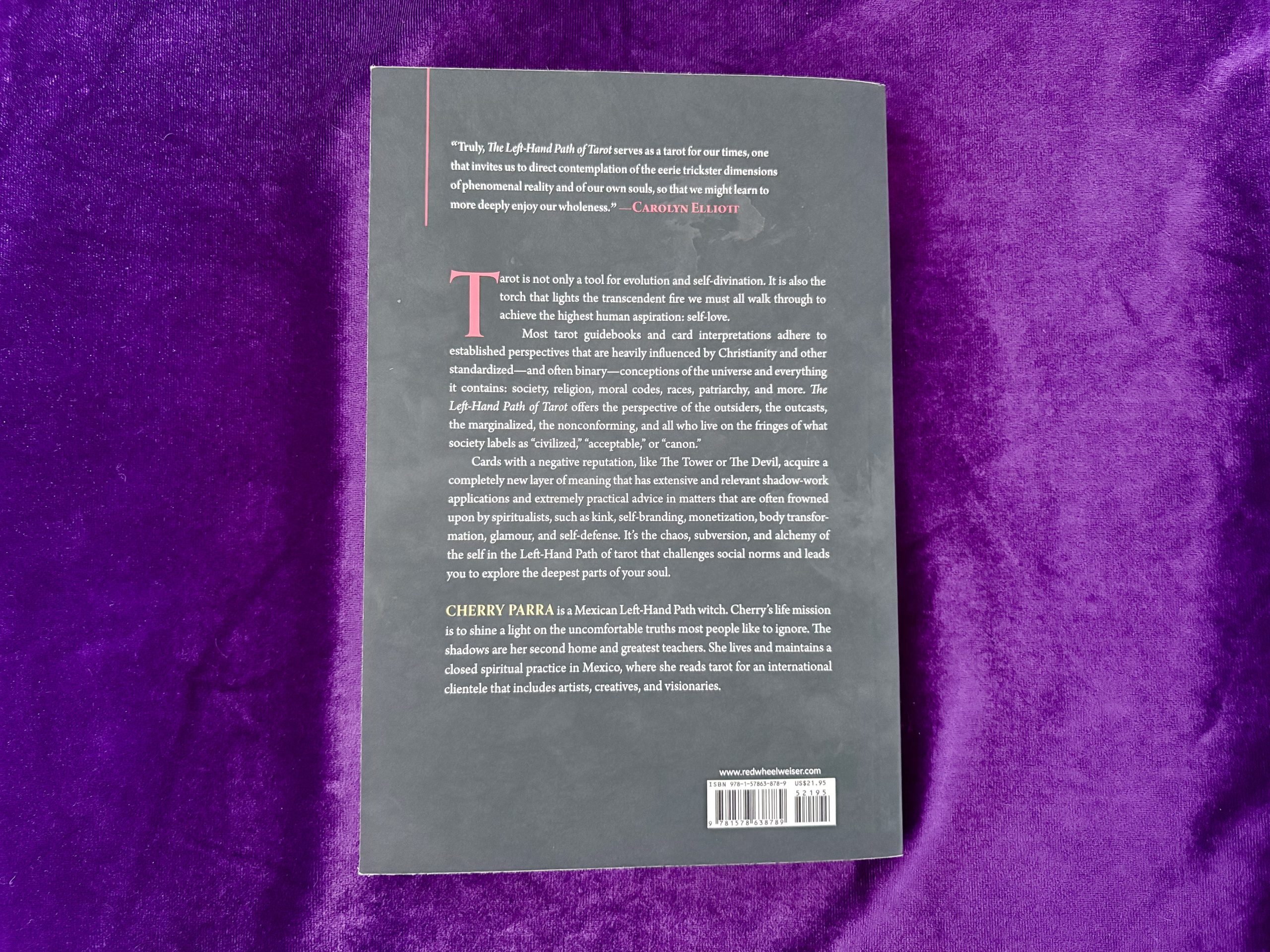
When I’m looking for a book about tarot, I always enjoy something a bit different. Something that looks at the practice of tarot from a unique perspective. A book that isn’t just card meanings. I’m especially drawn to those books that go to places others won’t and give you a no-fluff approach to working with the cards.
Needless to say, ‘The Left-Hand Path of Tarot: Breaking Taboos, Confronting Shadows, and Achieving Self-Love’ was right up my street as soon as I read the blurb all those months ago. I had admittedly not heard of Cherry Parra before I added her book onto my Wishlist but I wanted to learn more about the witch behind the words.
Cherry Parra is a Mexican left-hand path witch and tarot reader who has an inherited connection to occult practices and magic from her great grandmother who was a curandera (traditional folk healer). Cherry’s mission is to shine a light on the uncomfortable things in life that we might ignore or shy away from, doing it in an open and honest way. You can follow more of her work on Instagram or join her Patreon here.
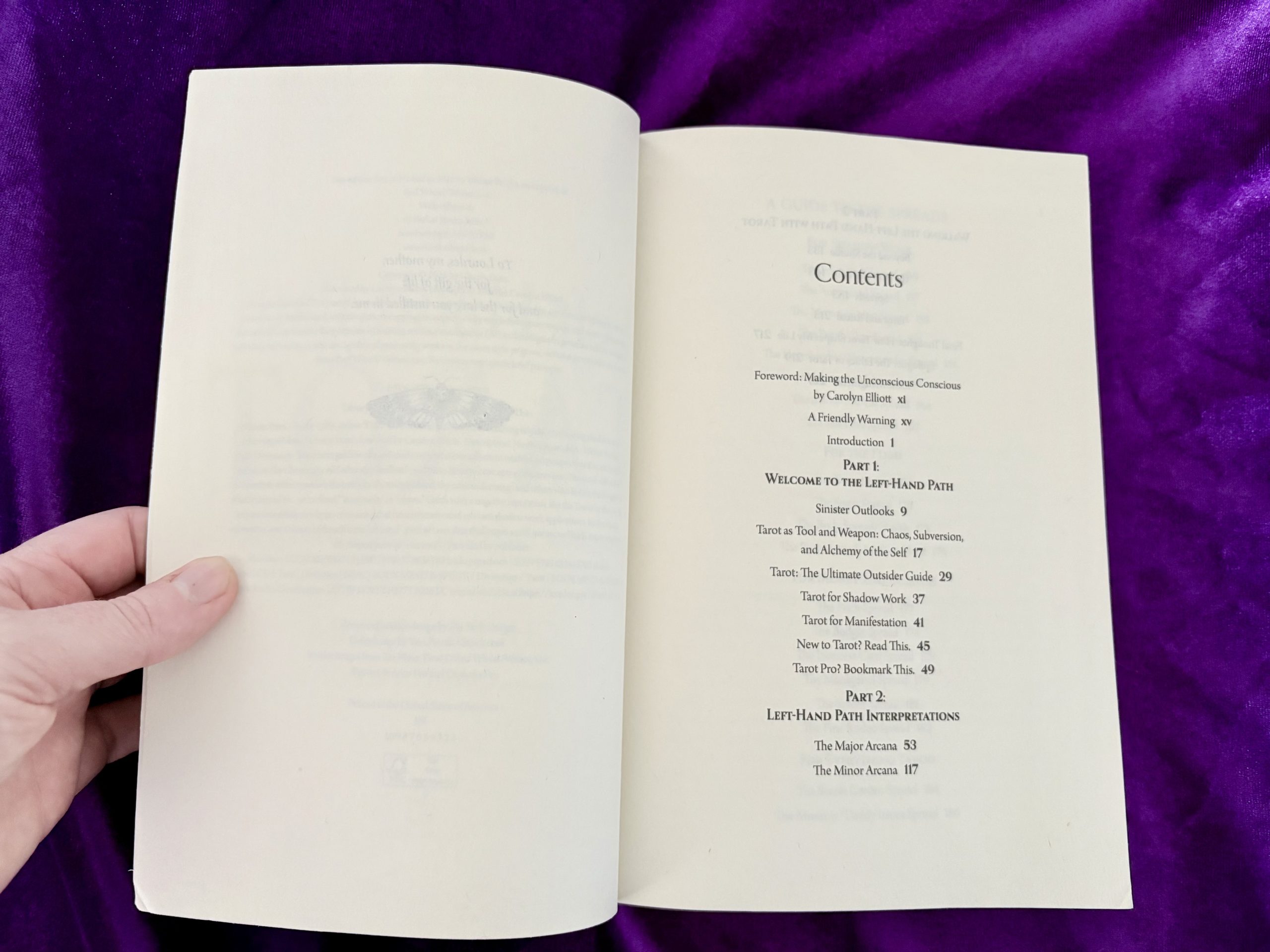
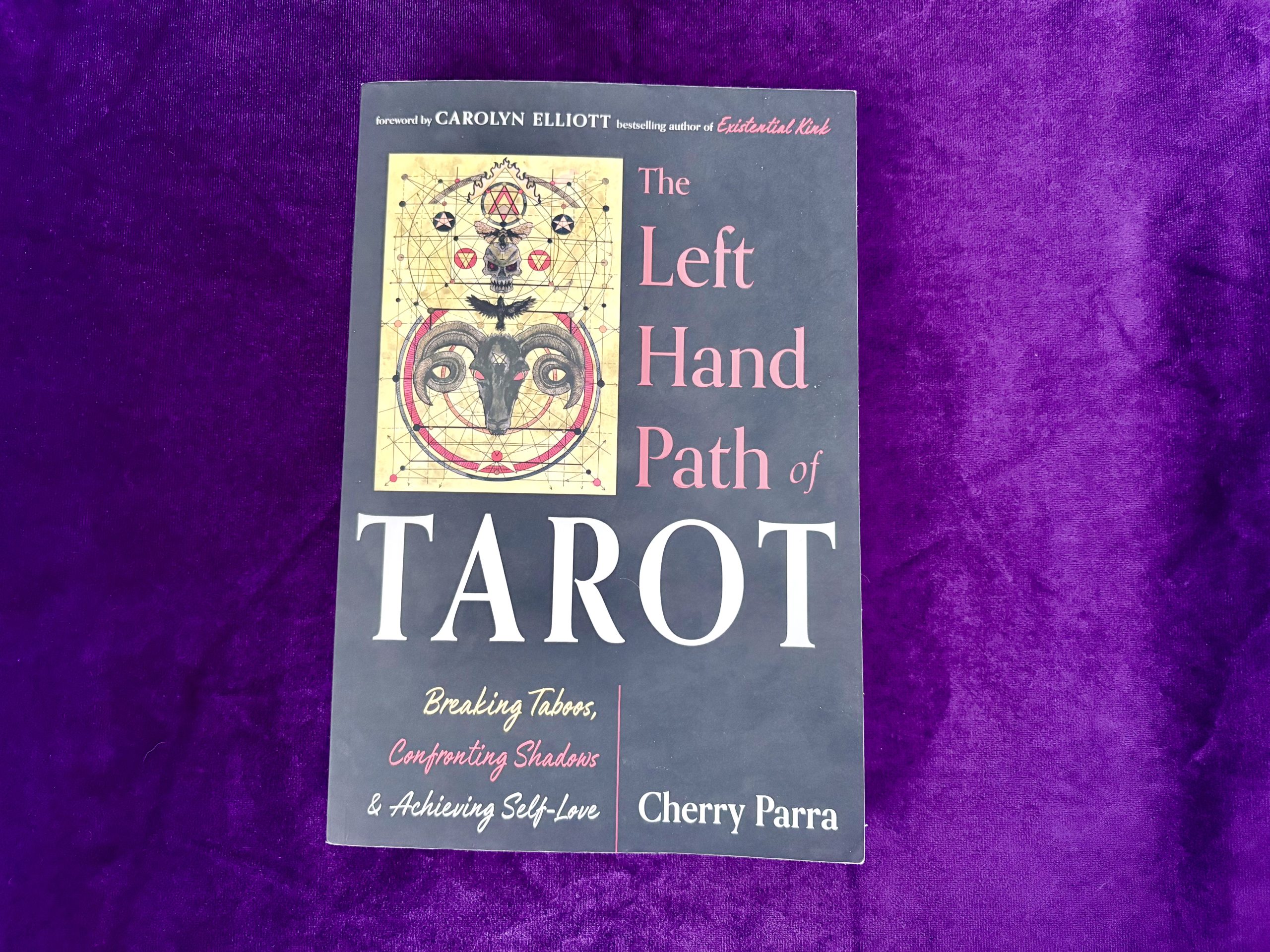
The first thing that struck me when the book arrived was the slight feeling of discomfort I felt when looking at the front cover. Not knowing what the ‘Left-Hand Path of Tarot’ meant at that point, I was curious to explore this feeling and wanted to know more. As a self-confessed book nerd, I liked the dark, brooding nature of the front cover and the almost yellowy, satisfying paper quality. It’s a book I felt that I could actively use; underlining memorable phrases, bookmarking any interesting interpretations, and highlighting any spreads I wanted to try.
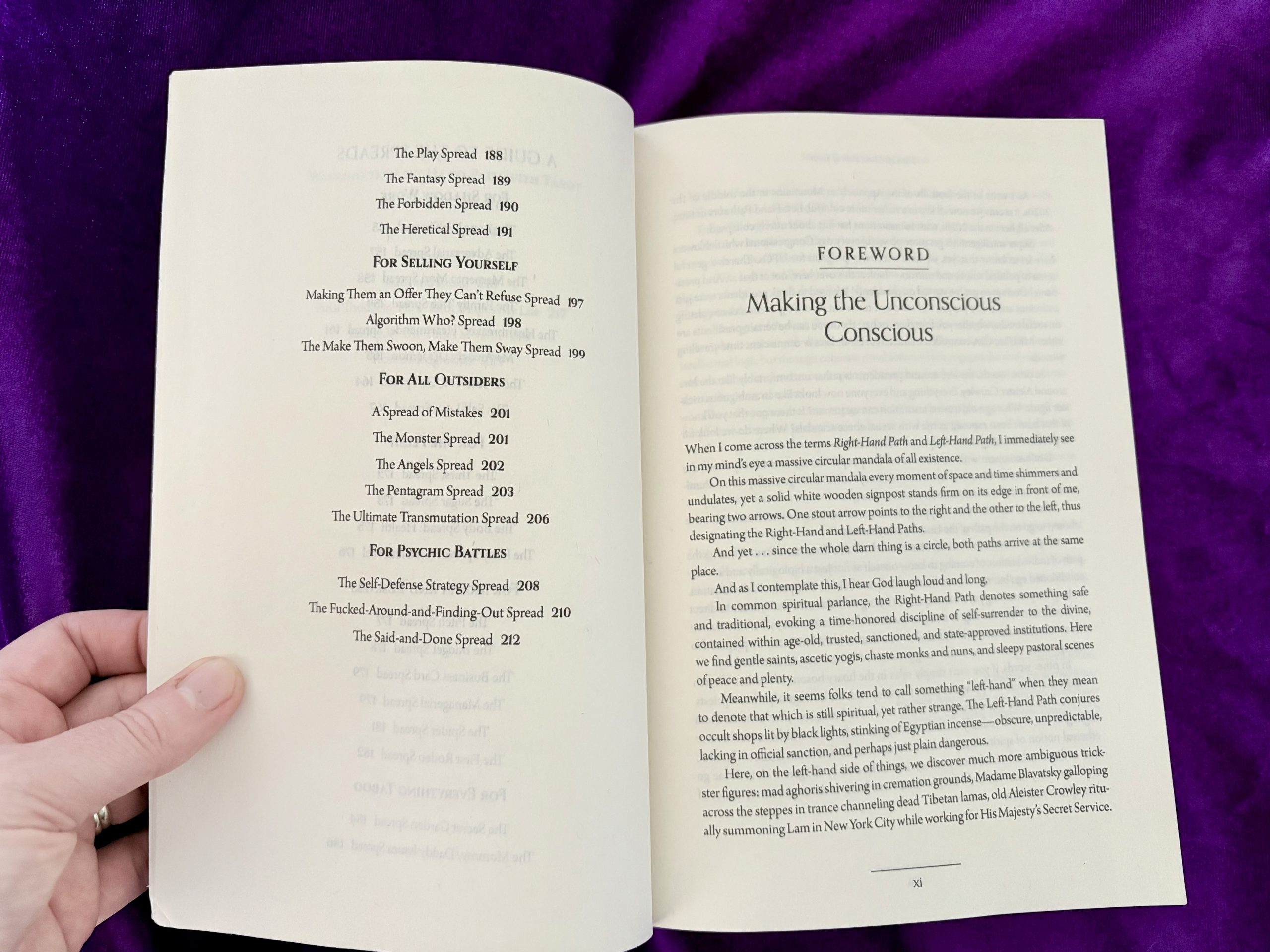
As mentioned, I didn’t know what the ‘Left-Hand Path’ meant when I began reading, however, the foreword from Carolyn Elliott (author of Existential Kink: Unmask Your Shadow and Embrace Your Power) was an incredibly helpful starting point. She explains that the ‘Right Hand Path’ is the ‘safe and traditional’ spiritual route where you might find ‘ascetic yogis…and sleepy pastoral scenes of peace and plenty’. The Left-Hand Path can sometimes be explained as ‘spiritual yet strange’ and ‘obscure, unpredictable and lacking in official sanction.’
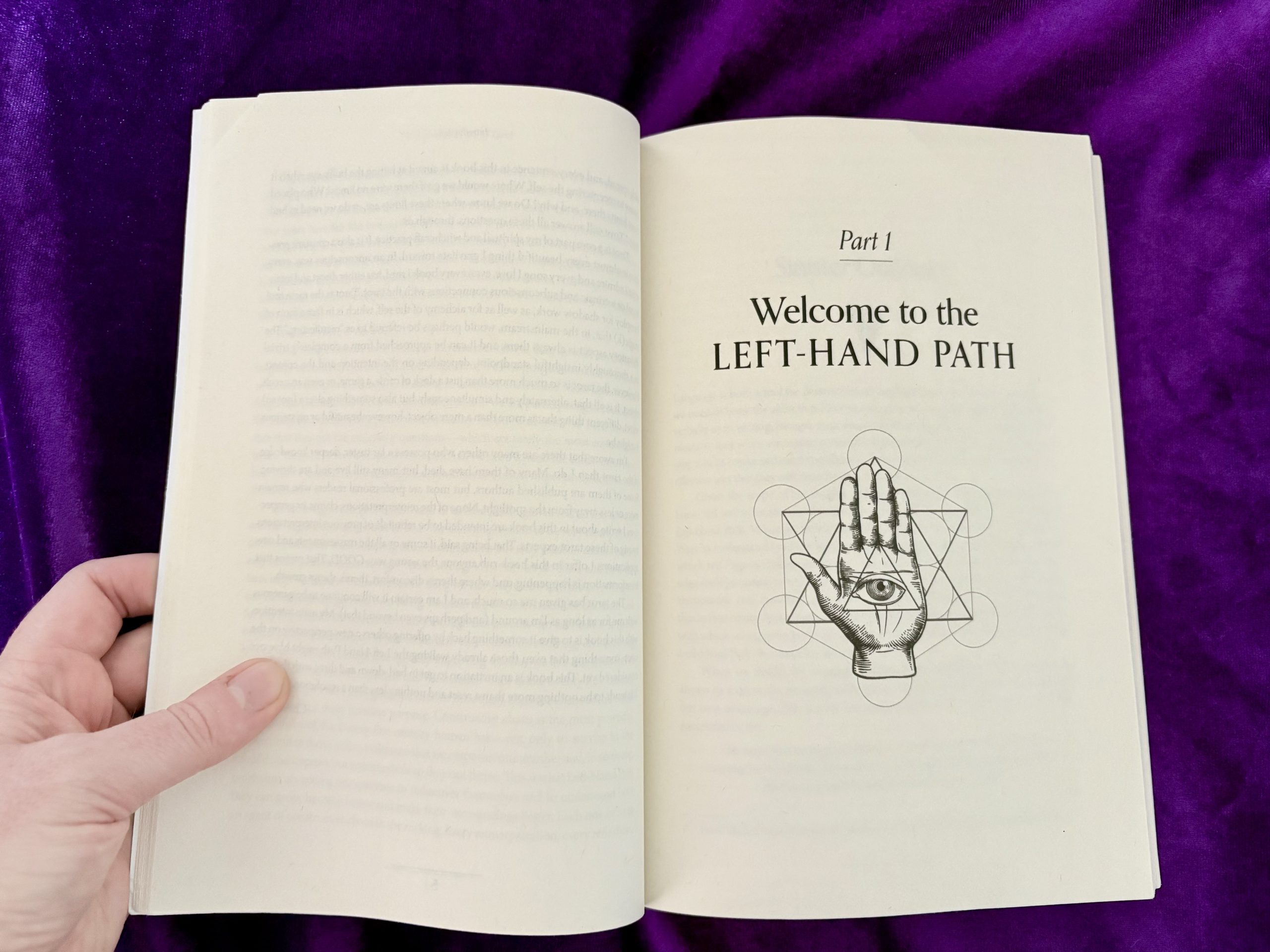
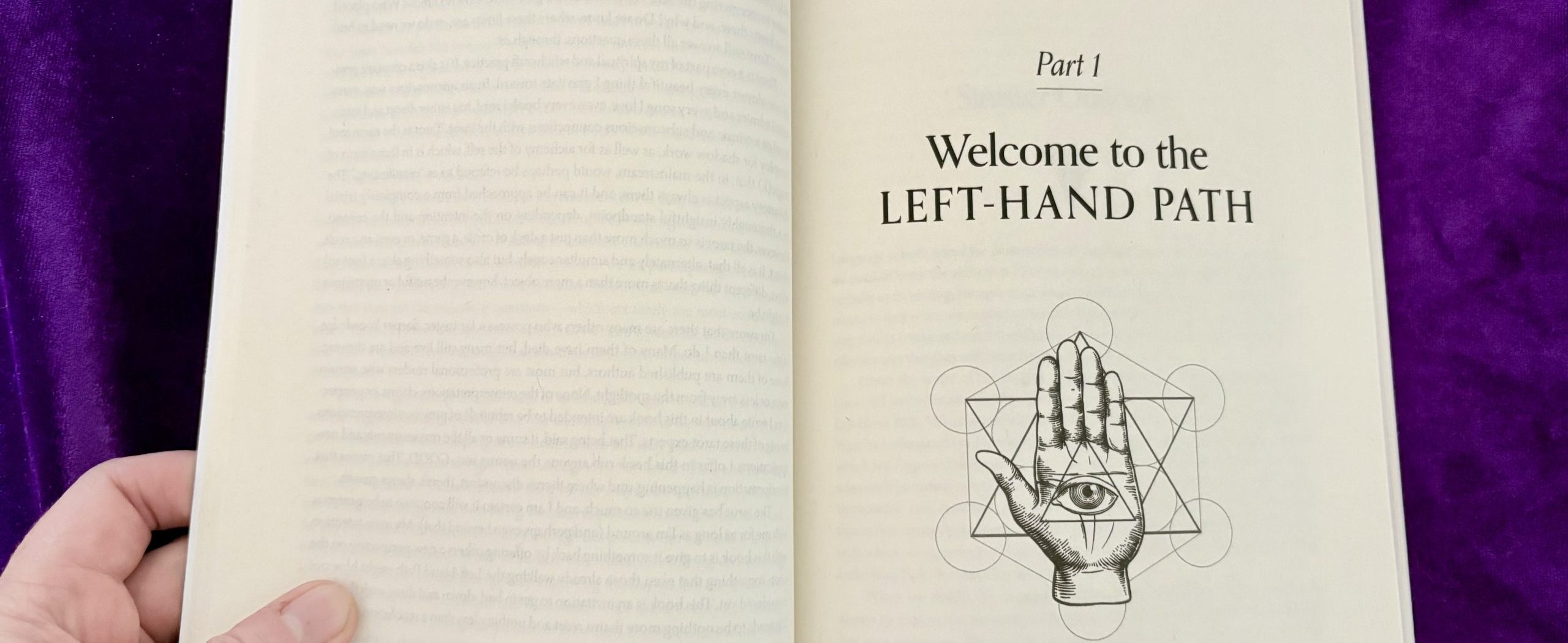
Following Carolyn’s foreword, the book is split into three parts – introducing the Left-Hand Path, Left-Hand Path card interpretations, and putting the Left-Hand Path into practice. Parra includes ‘A guide to spreads’ including page numbers at the beginning of the book for quick reference, which as an AuDHD person, made me very happy.
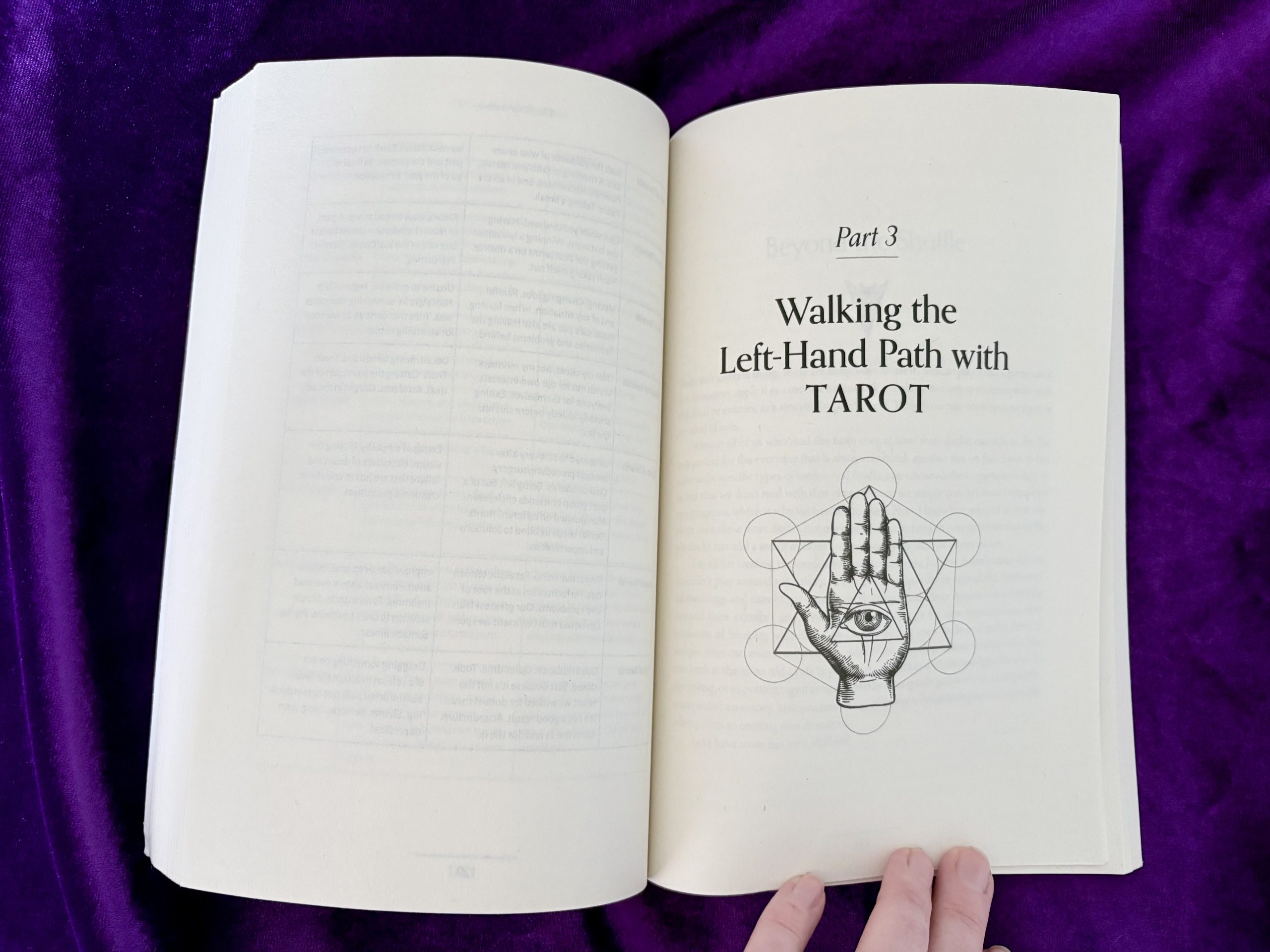
The spread titles were also clear and prompted me to bookmark them for later, including: The Lone Wolf Spread, My Anxiety D(a)emon, The Self-Love Spread and A Spread of Mistakes. I’ve read various tarot books that tell you about confronting your shadow or reading about uncomfortable topics, but they always have quite fluffy titles, whereas Parra doesn’t shy away from important, often taboo topics.
There is also a ‘Friendly Warning’ about what readers will find in the book that I fully respected and admired. There is such a no-nonsense, human tone to this, especially as she begins with ‘I abhor authority’. She also states that she isn’t interested in creating a set of tarot rules for herself or others and wants to challenge how we see the cards and offer new perspectives.
What really resonated with me and validated my tarot practice was her reiteration that every tarot reader is different and approaches reading in their own unique ways. She says ‘A Left-Hand Path tarot reader approaches tarot with utter transparency and cuts to the chase’ which reinforces the practical and impactful element of the cards. Having received a reading recently where the person talked so much about the atmosphere around them than the cards in front of them, I personally would welcome a more direct approach. I also underlined ‘People already know what to do, they’re just looking for a nudge. Telling people what to do is therefore useless.’ Again, as someone who doesn’t read predictively, this was very validating to read.
OK, I admit that I did do an audible sigh when I got to the card interpretation section of the book. Hear me out – I assumed that it would be like the ones I’d read previously. However, I’m always happy when my assumptions are wrong.
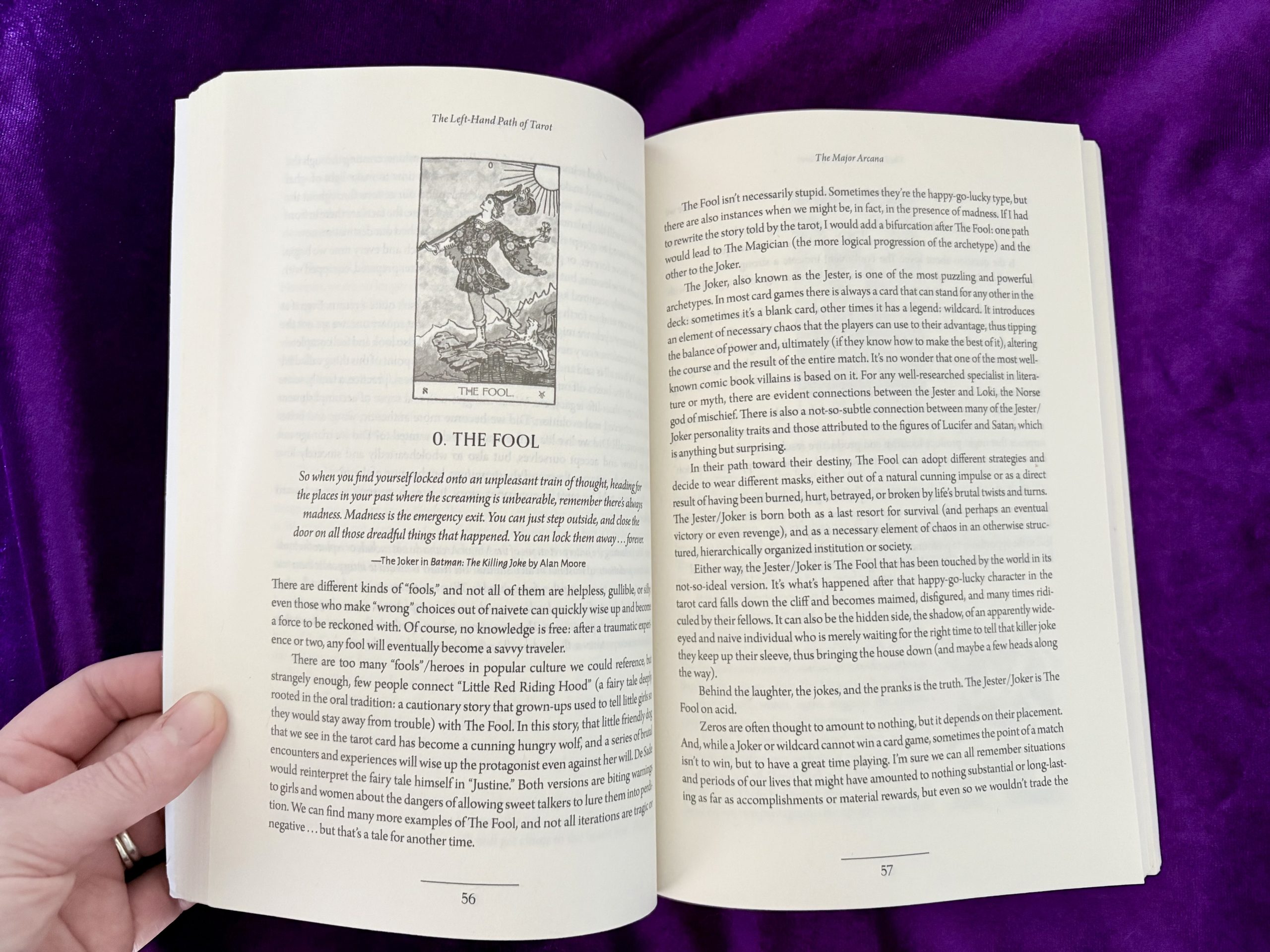
As I started to read about The Major Arcana, the opening sentence of the section was ‘The Major Arcana is largely a story about power’ and the explanation that followed was really insightful. Diving into the interpretations, The Fool began with an introductory quote from a book about The Joker in Batman, which made me take back my previous audible sigh. Parra assigns interesting pop culture references to many of the Major cards, which illustrate what she’s saying and reinforce the Left-Hand Path meanings. I was a bit disappointed that not all the 22 Major cards had a quote assigned to them but understand it can be difficult to find ones that match perfectly.
Each entry read like a short story and really challenged how I see the Major cards, providing, as promised, new ways of seeing and understanding them. Parra’s insight into Cards of the Self triad (The Lovers, The Chariot and The Devil) was interesting to read. She says that these cards shine a flashlight on the hidden parts of us, and each of them ‘represents one of the unfolded, multi-natured aspects of the human personality.
When I got to the Minor Arcana section, the discussion about each suit was just as challenging. For example, ‘Cups represent a void that is meant to be filled’, ‘Wands are wood that has been chopped; they’re the product of labour’, ‘Pentacles are portable and convenient but can also be noisy and grow heavy’, and ‘Swords are polarising because they always harbour the possibility of harm.’ I really enjoyed this exploration and will see those elements in a different light when I read my cards next.
I would have liked for the Minor Arcana to have more detailed explanations and insights, instead of them being formatted in a table. However, that probably would’ve greatly increased the length of the book! On the plus side, it does make it easy for quick reference which is useful.
I was spoilt for choice at the number of spreads featured in the book, especially those aimed at the more shadowy, taboo aspects of life. I was drawn to the ‘Adversarial Spread’ meant to ‘keep the querent from deceiving themselves or from acting in a way that may be blocking them from getting what they really need.’ All I can say is that it was very useful and very eye opening! (Would recommend.)
This book is great for both beginners and more experienced readers. For those who have a particular interest or practice the Left-Hand Path already would probably get so much more from it in terms of understanding their existing knowledge. If you’re quite traditional and steer clear of shadow work or taboo topics, this probably isn’t the book for you. Open-minded readers curious about different ideas should give it a read.
I’m so glad I was given the chance to both read and review this book. For me it was eye-opening, confronting and challenged some perceptions of the cards that I already had. Parra’s authenticity, honesty and knowledge is validating and admirable, as well as the direct tone of voice (which as an autistic person, I’m fully behind!). She says that ‘This book is an invitation to get in bed, down and dirty, with the tarot. It intends to be nothing more than a reset and nothing less than a revolution.’ And I agree, it’s definitely a tarot revolution of the left-hand kind.
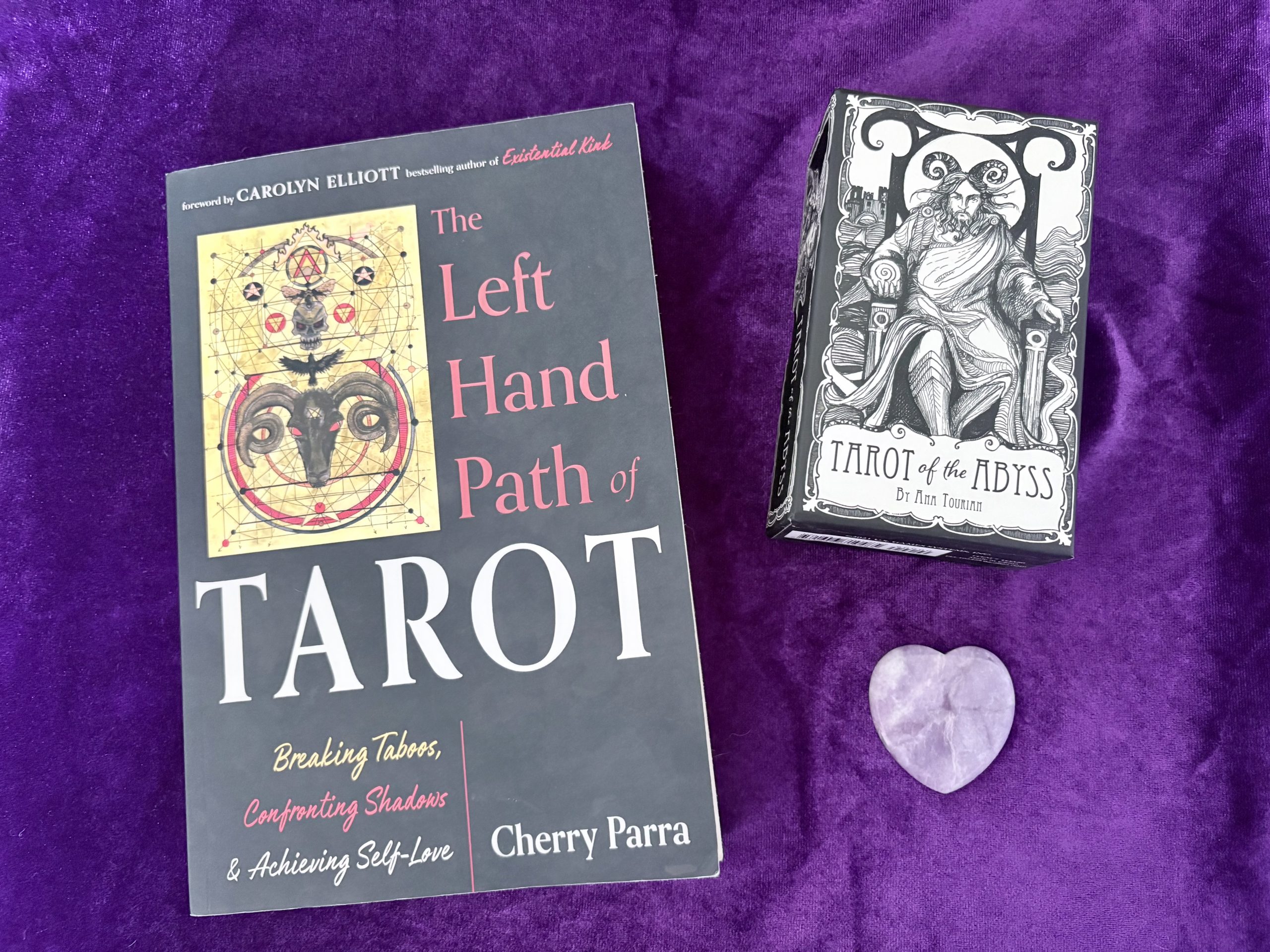
Tarot of the Abyss by Ana Tourian featured for illustrative purposes only.
The Left-Hand Path of Tarot is now available for purchase from all good bookstores.